


Article Detail
With more people looking to cut down on sugar, finding a sweet alternative that doesn't compromise health is essential. Stevia, a plant-based, calorie-free sweetener, is gaining attention, especially among those managing diabetes. Let's explore if stevia is a healthy sugar substitute for diabetes.
Understanding Stevia: Natural and Simple
Stevia comes from the leaves of the Stevia rebaudiana plant, native to South America. Used for centuries for its sweetness, it has become a popular natural sugar alternative. Unlike artificial sweeteners, stevia is minimally processed, maintaining its natural properties. Key points about stevia include:
- Natural Origin: Derived from the stevia plant's leaves.
- Calorie-Free: Provides sweetness without the calories.
- Zero Glycemic Index: Does not impact blood sugar levels.
These features make stevia appealing for those with diabetes or anyone wanting to reduce sugar intake while keeping a natural diet.
Stevia Plant for Diabetes: How It Helps
For people with diabetes, choosing sweeteners that don't spike blood sugar is crucial. Stevia offers a promising solution because:
- Blood Sugar Impact: Stevia doesn't raise blood sugar levels, making it suitable for diabetes management.
- Zero Calories: It helps with weight management, important for diabetes care.
- Insulin Response: Studies suggest stevia doesn't trigger an insulin response, aiding stable blood sugar levels.
Research, such as that from the Journal of Dietary Supplements, supports stevia's role in managing blood glucose effectively.
Stevia and Blood Sugar: What Science Says
Understanding how stevia interacts with blood sugar is vital for those with diabetes. Here's what research shows:
- Glycemic Index: With a glycemic index of zero, stevia doesn't affect blood glucose levels.
- Scientific Studies: Research indicates stevia consumption results in lower post-meal blood sugar levels than sugar.
- Potential Benefits: Regular use may reduce the risk of insulin resistance, an early sign of type 2 diabetes.
While stevia offers these benefits, individual responses vary. Consulting healthcare providers is advised to tailor dietary choices.
Stevia and Side Effects: What to Consider
Though popular, it's important to know potential side effects of stevia:
- Digestive Issues: Some may experience mild digestive discomfort with large amounts.
- Allergic Reactions: Rarely, some might have allergic reactions, like itching or swelling.
- Impact on Blood Pressure: It may lower blood pressure, beneficial for some, but caution is advised for those with low blood pressure.
Stevia is generally safe, but monitoring your body's response and consulting a healthcare provider is wise.
Is Stevia Good for Diabetes?
Is stevia good for diabetes? Let's weigh the pros and cons:
-
Pros:
- Blood Sugar Levels: It doesn't cause spikes in blood sugar.
- Low-Calorie: Aids in weight management, crucial for diabetes control.
-
Cons:
- Taste: Some find it slightly bitter or different from sugar.
- Availability: High-quality products might be less accessible depending on location.
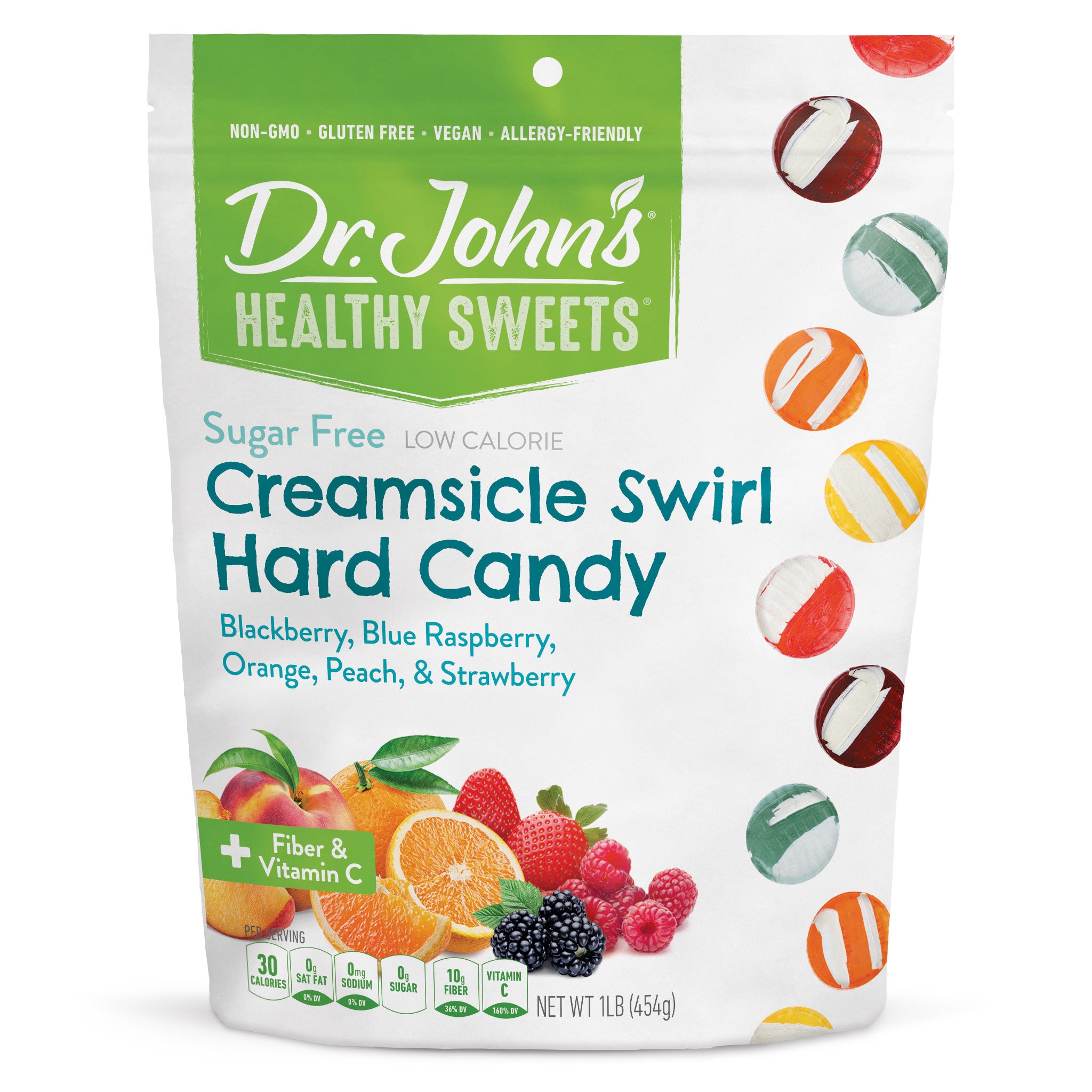
Stevia can be a beneficial part of a diabetes-friendly diet. Choose products wisely and consider personal preferences. Explore options like Dr. John's Healthy Sweets for delightful, sugar-free treats. Visit Dr. John's Healthy Sweets for more.
How Stevia Compares to Other Sugar Substitutes
Stevia is often compared to other substitutes like aspartame and sucralose. Here's how it stands out:
- Health Benefits: As a natural option, stevia appeals to those seeking less processed substitutes.
- Caloric Content: Zero calories, similar to other substitutes, but its natural origin gives it an edge.
- Taste: Known for a unique taste profile, sometimes with a licorice-like aftertaste.
For guilt-free indulgence, Dr. John's Healthy Sweets offers a range of sugar-free options. Discover more at Dr. John's Healthy Sweets.
Regulatory Status of Stevia Worldwide
Stevia's acceptance as a sugar substitute varies globally, reflecting its growing use:
- United States: Recognized as safe (GRAS) for food and beverages.
- European Union: Approved in 2011, now a common ingredient.
- Canada: Approved for certain food categories. For more, visit Canada.ca.
- Other Regions: Approved in countries like Australia and Japan.
With widespread approval, stevia remains a trusted choice for reducing sugar intake. Dr. John's Healthy Sweets incorporates healthy alternatives, offering sweets without added sugar. Check out their products at Dr. John's Healthy Sweets.