


Article Detail
Keeping your teeth and gums healthy is essential for your overall well-being. A bright smile not only boosts your confidence but also helps prevent oral health issues. While brushing and flossing are key, adding mouthwash to your routine can enhance your dental care by reaching places your toothbrush might miss.
In this article, we'll dive into how mouthwash can support your oral health by preventing gum disease, managing dry mouth, and soothing gum swelling. With this knowledge, you'll be better equipped to keep your smile bright and healthy.
Why Use Mouthwash for Healthy Teeth?
Incorporating mouthwash into your daily routine offers several benefits:
- Reduces Plaque and Tartar: Regular use of mouthwash helps reduce plaque, a major cause of cavities and gum disease.
- Freshens Breath: It eliminates bacteria that cause bad breath, leaving your mouth feeling fresh.
- Prevents Cavities: Many mouthwashes contain fluoride, which strengthens tooth enamel. Learn more about fluoride's benefits from the CDC's Oral Health page.
- Soothes Gum Irritation: Certain mouthwashes can calm and reduce gum swelling, providing relief.
Choosing the right mouthwash for your needs—whether for cavity prevention, fresh breath, or gum health—can significantly enhance your oral care.
Tips to Avoid Gum Disease and Manage Gum Swelling
Gum disease can lead to serious oral health problems if not addressed. It starts with gingivitis, which can progress if untreated. Symptoms include red, swollen gums, bleeding during brushing, and persistent bad breath.
To prevent gum disease and manage swelling, try these tips:
- Brush and Floss Regularly: Brush twice daily and floss daily to remove plaque.
- Use Mouthwash: Adding mouthwash to your routine helps reduce plaque and gingivitis.
- Regular Dental Check-ups: Visit your dentist regularly for check-ups and cleanings.
- Healthy Diet: Eat a balanced diet rich in vitamins and minerals to support gum health.
Gum swelling can result from poor oral hygiene, infections, or certain medications. To reduce swelling, consider:
- Salt Water Rinse: Use warm salt water to reduce swelling and kill bacteria.
- Cold Compress: Apply a cold compress to reduce swelling and discomfort.
- Stay Hydrated: Drink plenty of water to maintain saliva production.
Mouthwash plays a vital role in soothing gum swelling by reducing bacteria and providing a refreshing clean feeling. For more home remedies, refer to Healthline's guide on gingivitis home remedies.
Understanding Mouth Dryness Causes
Mouth dryness, or xerostomia, occurs when your mouth doesn't produce enough saliva. Saliva is crucial for balancing acids and clearing food bits.
Common causes include:
- Medications: Many drugs can reduce saliva production.
- Aging: Natural body changes can decrease saliva production as we age.
- Medical Conditions: Conditions like diabetes or Sjögren's syndrome can contribute to dry mouth.
To manage mouth dryness, try these tips:
- Stay Hydrated: Drink water regularly to keep your mouth moist.
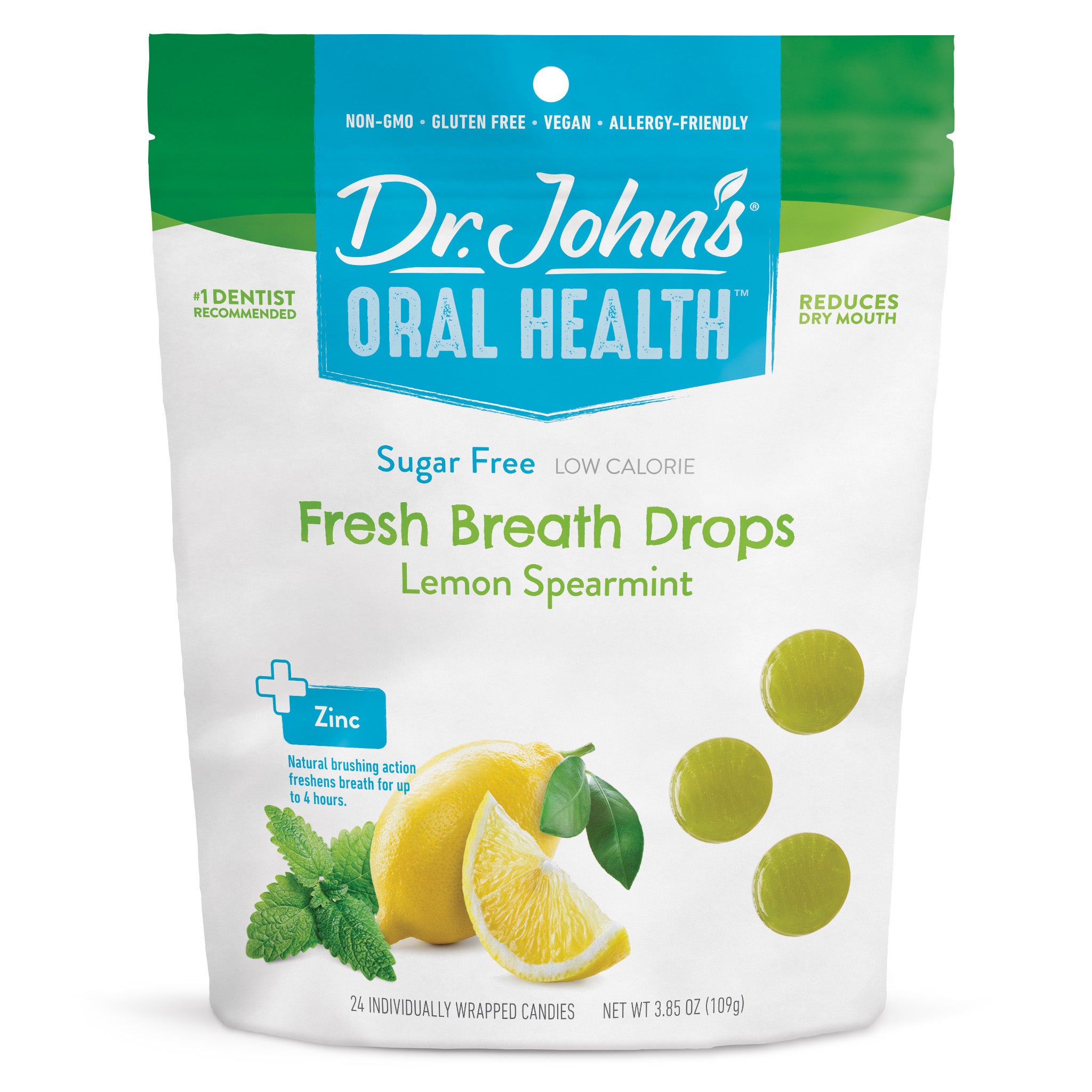
- Chew Sugar-Free Gum: Chewing gum can stimulate saliva production. Try our Assorted Dry Mouth Drops for relief.
- Avoid Tobacco and Alcohol: These substances can dry out your mouth.
- Use a Humidifier: Keep the air moist in your home, especially while you sleep.
For more tips on managing mouth dryness, visit the Mayo Clinic's guide on dry mouth treatment.
Conclusion: Embrace Guilt-Free Treats
Maintaining a comprehensive oral hygiene routine is key to healthy teeth and gums. Mouthwash reduces plaque, fights bacteria, and freshens breath. To further support your oral health, enjoy our sugar-free treats like dark chocolate or cherry lollipops from Dr. John's Healthy Sweets. Indulge without guilt while keeping your smile bright and healthy!